
Choosing an eye health supplement is not as simple as picking a product with an impressive ingredient list. Different people have different nutritional requirements, health conditions, and reasons for considering supplementation. A product that may be suitable for one person might be unnecessary or inappropriate for someone else.
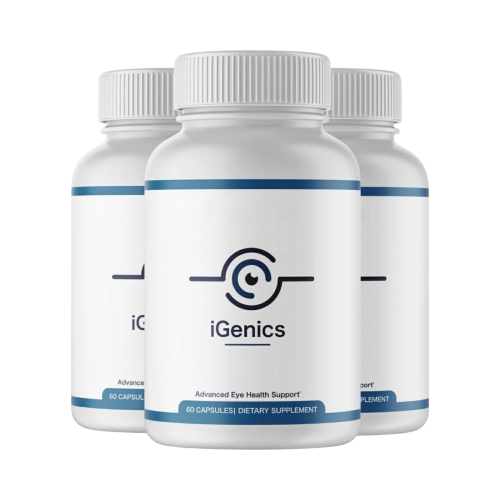
iGenics is a multi-ingredient vision support supplement marketed to people interested in maintaining eye health as they age. Its advertised formula combines vitamins, minerals, carotenoids, and botanical extracts such as lutein, zeaxanthin, bilberry, saffron, and ginkgo biloba.
But does everyone need a supplement like iGenics? Is it appropriate for people over 40 or 50? Can younger adults take it? Should people with existing eye conditions consider it? And are there individuals who should avoid it altogether?
These are important questions to answer before spending money on any dietary supplement.

In this article, we examine who might consider iGenics, who should be cautious, who should avoid taking it without medical advice, and what consumers should understand about its ingredients and potential limitations.
What Is iGenics?
iGenics is a dietary supplement marketed for vision and eye health support.
Its formula combines several nutrients and plant-derived ingredients associated with different aspects of eye health.
The advertised ingredient profile includes:
- Lutein
- Zeaxanthin
- Vitamin A
- Vitamin C
- Vitamin E
- Zinc
- Copper
- Bilberry extract
- Ginkgo biloba
- Saffron
- Turmeric
The product’s overall approach is to combine several ingredients in one daily supplement rather than asking consumers to purchase individual vitamins and botanical extracts separately.
Some of these ingredients have been studied for their potential roles in supporting normal eye function and macular health.
For example, lutein and zeaxanthin are carotenoids naturally present in the retina, particularly in the macula. Vitamins A, C, and E contribute to normal biological functions, while zinc plays a role in several processes involved in maintaining healthy vision.
Botanical ingredients such as bilberry, saffron, and ginkgo have also attracted scientific interest.
However, it is important to distinguish between research on individual ingredients and clinical evidence for the complete iGenics formula. The presence of an ingredient in a supplement does not automatically prove that the finished product prevents eye disease or improves eyesight.
With that distinction in mind, let’s examine who might consider taking iGenics.
1. Adults Over 40 Who Want to Support Their Eye Health
One group that may be interested in iGenics is adults over 40.
As people get older, several changes can affect their vision and overall eye health.
For example:
- The eye’s natural lens gradually becomes less flexible.
- Near vision may become more difficult.
- The risk of certain age-related eye conditions increases.
- Some people develop dry-eye symptoms.
- The risk of age-related macular degeneration increases with age.
These changes do not mean that everyone over 40 needs an eye supplement.
Many age-related vision changes are not caused by nutritional deficiencies and cannot be reversed by taking vitamins.
Nevertheless, adults over 40 may become more interested in nutrition, antioxidants, and nutrients associated with normal eye function.
Could iGenics Be Worth Considering?
iGenics contains several nutrients and botanical extracts associated with eye health research.
Lutein and zeaxanthin are particularly interesting because they are naturally concentrated in the macula.
These carotenoids are also present in foods such as spinach, kale, and other leafy green vegetables.
For adults who want to explore a multi-ingredient eye health supplement, iGenics may be worth researching.
However, there is no established evidence that taking iGenics prevents age-related vision changes in otherwise healthy adults.
Our assessment: Adults over 40 can consider discussing eye health supplementation with a healthcare professional, particularly if their diet is limited or they have specific nutritional concerns. However, age alone is not a reason to start taking iGenics.
2. Adults Over 50 Who Are Concerned About Age-Related Vision Changes
Adults over 50 are another group that may show interest in eye health supplements.
This is because the likelihood of certain eye conditions increases with age.
One important condition is age-related macular degeneration, commonly known as AMD.
AMD affects the macula, which is responsible for central vision. It can make activities such as reading, recognising faces, and seeing fine details more difficult.
There are different stages of AMD, and its progression varies between individuals.
What Role Do Eye Supplements Play?
The Age-Related Eye Disease Studies, known as AREDS and AREDS2, investigated whether particular combinations of vitamins and minerals could slow the progression of AMD.
The research found that an appropriate nutritional formulation can reduce the risk of progression from intermediate AMD to advanced AMD in eligible patients.
The AREDS2 formulation includes:
- Vitamin C
- Vitamin E
- Lutein
- Zeaxanthin
- Zinc
- Copper
This is important because several of these nutrients are also found in iGenics.
However, the quantities and overall formulation are not necessarily the same.
The clinical evidence supporting AREDS2 should not automatically be applied to iGenics.
Should People Over 50 Take iGenics?
Some adults over 50 may be interested in its combination of vitamins, minerals, and botanical extracts.
However, someone diagnosed with intermediate AMD should not assume that iGenics can replace a recommended AREDS2 formulation.
People with existing retinal conditions should consult an ophthalmologist before selecting an eye supplement.
Our assessment: Adults over 50 may have a greater reason to discuss eye health and nutrition with their doctors, but the appropriate supplement depends on their eye condition, diet, and medical history. iGenics should not be considered a proven treatment for age-related vision loss.
3. People Who Spend Long Hours Looking at Computer and Mobile Screens
Modern lifestyles involve extensive screen use.
Office workers, students, entrepreneurs, designers, programmers, and people who work from home may spend several hours each day looking at computers and mobile devices.
Prolonged screen use can contribute to digital eye strain.
Common symptoms include:
- Tired eyes
- Temporary blurred vision
- Dryness or irritation
- Headaches
- Difficulty focusing after prolonged screen use
- Discomfort around the eyes
These symptoms are often associated with prolonged near work, reduced blinking, glare, and poor viewing conditions.
Can iGenics Help With Digital Eye Strain?
Some nutrients found in iGenics have been investigated for their potential roles in eye health.
Lutein and zeaxanthin, for example, are associated with the macular pigment.
However, there is insufficient evidence to establish that taking iGenics prevents or treats digital eye strain.
Screen-related discomfort is not necessarily caused by a vitamin deficiency.
People experiencing these symptoms may benefit more from practical changes to their screen habits.
Useful measures include:
- Following the 20-20-20 rule: every 20 minutes, look at something approximately 20 feet away for 20 seconds.
- Taking regular breaks from screens.
- Adjusting screen brightness and contrast.
- Keeping the screen at a comfortable viewing distance.
- Blinking regularly.
- Maintaining suitable lighting.
- Seeking an eye examination if symptoms persist.
Our assessment: People who spend long hours on computers may be interested in eye health nutrition, but iGenics should not be purchased with the expectation that it will eliminate digital eye strain.
4. People With Diets Low in Fruits and Vegetables
Diet plays an important role in providing nutrients needed for normal eye function.
Many nutrients associated with eye health are naturally available through ordinary foods.
For example:
Leafy Green Vegetables
Spinach, kale, and other leafy vegetables provide lutein and zeaxanthin.
Carrots and Sweet Potatoes
These foods contain beta-carotene, which the body can convert into vitamin A.
Vitamin A is essential for normal vision.
Citrus Fruits
Oranges and other citrus fruits provide vitamin C.
Nuts and Seeds
Almonds, sunflower seeds, and other nuts and seeds provide vitamin E and other nutrients.
Eggs
Egg yolks contain lutein and zeaxanthin.
Someone who regularly consumes a variety of these foods may already receive many of the nutrients associated with eye health.
However, people with limited or unbalanced diets may have a greater reason to review their nutritional intake.
Is iGenics a Good Option for People With Poor Diets?
A multi-ingredient supplement may seem attractive because it provides several nutrients in one product.
However, supplements should not be used as a replacement for a balanced diet.
The nutritional benefits of whole foods extend beyond the ingredients included in a supplement.
People with suspected deficiencies should discuss appropriate testing and supplementation with a healthcare professional.
Our assessment: People with limited dietary variety may benefit from reviewing their nutritional needs. iGenics is one possible product to research, but it should not replace vegetables, fruits, and other nutrient-rich foods.
5. People Interested in Lutein and Zeaxanthin
Lutein and zeaxanthin are among the most interesting ingredients in the iGenics formula.
These carotenoids are naturally present in the macula, where they contribute to the macular pigment.
They have been studied for their potential role in protecting the retina from oxidative stress and supporting macular health.
The AREDS2 research also included both nutrients as replacements for beta-carotene in the original AREDS formulation.
Who May Be Interested in These Nutrients?
People who:
- Eat very few leafy green vegetables.
- Want to understand nutritional support for macular health.
- Are researching carotenoids and their biological functions.
- Have been advised to discuss lutein and zeaxanthin supplementation with an eye specialist.
However, it is important to understand that more supplementation does not necessarily mean better results.
People should compare the actual amounts in their supplements and consider their existing dietary intake.
Our assessment: People specifically interested in lutein and zeaxanthin may find iGenics worth researching, but standalone carotenoid supplements are also available. The appropriate choice depends on the formulation and individual nutritional requirements.
6. People Interested in Antioxidant Nutrition
Another group that may consider iGenics includes people interested in antioxidants.
The human body naturally produces reactive molecules during normal metabolic processes. Antioxidants help manage oxidative stress.
Several nutrients and plant compounds have antioxidant properties.
Some of the ingredients associated with iGenics include:
- Vitamin C
- Vitamin E
- Bilberry compounds
- Turmeric compounds
- Lutein
- Zeaxanthin
These ingredients have been investigated for various biological effects.
However, antioxidant activity observed in laboratory research does not automatically translate into improved eyesight or prevention of eye disease in humans.
Does Taking More Antioxidants Improve Eye Health?
Not necessarily.
The body needs nutrients in appropriate amounts. Excessive supplementation can cause unwanted effects, and taking additional antioxidants does not guarantee better health outcomes.
A balanced diet containing fruits, vegetables, nuts, and other nutrient-rich foods remains important.
Our assessment: People interested in antioxidant nutrition may find the iGenics ingredient combination interesting, but they should evaluate the actual dosages and avoid assuming that more antioxidants automatically produce better vision.
7. People Who Want a Multi-Ingredient Eye Supplement
Some consumers prefer taking one comprehensive supplement rather than purchasing several individual products.
For example, instead of buying separate bottles of lutein, zeaxanthin, vitamin C, vitamin E, and botanical extracts, they may prefer a single formula containing multiple ingredients.
This is one of the main appeals of iGenics.
Its advertised formulation combines several ingredients associated with eye health research.
Why Might This Be Convenient?
A multi-ingredient supplement can offer:
- Convenience.
- Fewer separate supplement bottles.
- A combination of different nutritional ingredients.
- A single daily supplementation routine.
However, there are also disadvantages.
A combination formula may contain ingredients that a particular person does not need.
It can also make it more difficult to adjust individual nutrient quantities.
Some ingredients may overlap with other supplements or prescription products.
Our assessment: iGenics may appeal to people who prefer a broad formula, but convenience should not be confused with necessity or proven effectiveness.
Who Should Avoid iGenics or Seek Medical Advice Before Taking It?
Although iGenics is marketed as a dietary supplement, this does not mean it is automatically suitable for everyone.
Multi-ingredient supplements can contain nutrients and botanical extracts that may interact with medicines or be inappropriate for certain medical conditions.
The following groups should exercise particular caution.
1. People Taking Blood Thinners or Anticoagulant Medication
This is an important precaution because iGenics contains ginkgo biloba in its advertised ingredient profile.
Ginkgo may affect blood clotting and can increase bleeding risk, particularly when combined with certain medications.
People taking medicines such as:
- Warfarin
- Apixaban
- Rivaroxaban
- Dabigatran
- Clopidogrel
- Aspirin prescribed for cardiovascular protection
should consult their doctor or pharmacist before using a supplement containing ginkgo.
The concern is not limited to these medicines. Other medications and medical conditions may also affect bleeding risk.
People scheduled for surgery should disclose all supplements they take to their healthcare team.
Our recommendation: Do not start iGenics without professional advice if you take blood-thinning medication or have a bleeding disorder.
2. People With Existing Eye Diseases
People diagnosed with eye conditions should not assume that iGenics can replace medical treatment.
This includes people with:
- Age-related macular degeneration.
- Glaucoma.
- Cataracts.
- Diabetic retinopathy.
- Retinal damage.
- Retinal vascular conditions.
- Other diagnosed retinal disorders.
Different eye diseases have different causes and treatment requirements.
For example, glaucoma involves damage to the optic nerve and generally requires specific medical management.
Cataracts involve clouding of the eye’s natural lens.
Macular degeneration affects the central retina.
A general eye supplement cannot be assumed to treat all these conditions.
What About People With Macular Degeneration?
This is a particularly important distinction.
People with intermediate AMD may benefit from an appropriate AREDS2 formulation under the guidance of an eye specialist.
However, iGenics should not automatically be considered an equivalent replacement.
The ingredients and quantities differ, and the complete iGenics formula does not have the same clinical evidence as the AREDS2 formulation.
Our recommendation: Anyone with a diagnosed eye disease should discuss supplementation with an ophthalmologist rather than replacing prescribed treatment with iGenics.
3. People Taking Multiple Vitamins and Mineral Supplements
Some consumers already take daily multivitamins, vitamin C, vitamin E, zinc, or other nutritional supplements.
Adding iGenics may increase their total daily intake of certain nutrients.
For example, the combination of multiple products can result in excessive intake of:
- Vitamin A.
- Vitamin E.
- Zinc.
- Copper.
- Other overlapping ingredients.
Excessive vitamin A intake can cause toxicity, while excessive zinc intake over time can interfere with copper absorption.
High doses of vitamin E may also increase bleeding risk in some circumstances.
The actual risk depends on the quantities consumed, the person’s health, and other medications.
Our recommendation: Check the complete ingredient labels of all supplements before combining them. Avoid taking multiple products with overlapping ingredients without professional guidance.
4. Pregnant and Breastfeeding Women
Pregnancy and breastfeeding involve different nutritional requirements.
Some vitamins and minerals are particularly important during these periods, but their quantities and sources matter.
For example, excessive preformed vitamin A can be harmful during pregnancy.
Certain botanical ingredients may also have insufficient safety data for use during pregnancy or breastfeeding.
Because iGenics is a multi-ingredient formula containing botanical extracts, its suitability during these periods should not be assumed.
Our recommendation: Pregnant or breastfeeding women should avoid starting iGenics unless their doctor specifically reviews and approves the complete formulation.
5. People With Liver or Kidney Problems
People with significant liver or kidney disease should be careful with multi-ingredient supplements.
The liver is involved in processing many substances, while the kidneys help regulate the body’s mineral and fluid balance and eliminate various waste products.
Certain vitamins and minerals can accumulate or become problematic when organ function is impaired.
The appropriate amount of zinc, copper, vitamin A, and other nutrients may also differ depending on a person’s condition.
Botanical extracts can introduce additional uncertainties, especially when someone is taking prescription medication.
Our recommendation: People with diagnosed liver or kidney conditions should consult their healthcare professional before taking iGenics.
6. People With Allergies or Sensitivity to Ingredients
Anyone with known allergies should review the complete product label before purchasing iGenics.
The advertised formula contains several plant-derived ingredients, and people may have sensitivities to particular extracts or other formulation components.
It is also important to examine inactive ingredients, capsule materials, and possible allergens.
Potential allergic reactions can include:
- Skin rashes.
- Itching.
- Swelling.
- Digestive discomfort.
- Other allergic symptoms.
Severe allergic reactions require immediate medical attention.
Our recommendation: Avoid the product if you know you are allergic to one of its ingredients. Contact the manufacturer if you need clarification about allergens or manufacturing cross-contamination.
7. People Who Expect iGenics to Restore Lost Eyesight
This is one of the most important groups that should avoid purchasing the product with unrealistic expectations.
Some consumers look for supplements because they want to improve blurred vision, reverse age-related eyesight changes, or restore vision lost through an eye disease.
However, there is no established evidence that iGenics can reverse established vision loss.
A nutritional supplement should not be confused with medical treatment.
For example:
- It cannot be assumed to reverse cataracts.
- It is not a proven treatment for glaucoma.
- It should not replace treatment for diabetic retinopathy.
- It is not established as a treatment for retinal damage.
- It should not be expected to eliminate the need for prescription glasses.
Blurred vision can have several causes, including refractive errors, cataracts, retinal conditions, and other medical problems.
Sudden vision loss or sudden significant changes in vision require urgent medical assessment.
Our recommendation: If your main expectation is to restore lost eyesight, do not purchase iGenics on that assumption. Get an eye examination to identify the underlying cause.
8. Children and Teenagers
iGenics is marketed as an adult eye health supplement.
Children and teenagers have different nutritional requirements from adults.
The appropriate quantities of vitamins and minerals depend on age, development, and individual nutritional needs.
There is also insufficient evidence to establish that iGenics is appropriate for children.
Parents should not give adult multi-ingredient supplements to children simply because the products contain vitamins and plant extracts.
Our recommendation: Do not give iGenics to children or teenagers unless a qualified healthcare professional specifically recommends it.
9. People Who Have a History of Seizures
Ginkgo biloba has been associated with potential seizure-related concerns, particularly with certain preparations or in people who are susceptible.
People with epilepsy, a history of seizures, or those taking anti-seizure medication should seek medical advice before using a supplement containing ginkgo.
The exact risk depends on the preparation, dosage, and individual circumstances.
Our recommendation: People with a seizure disorder should not start iGenics without discussing its complete ingredient profile with their doctor.
10. People With Upcoming Surgery
People preparing for surgery should disclose all supplements they use.
Some ingredients, including ginkgo and high-dose vitamin E, may affect bleeding risk.
The healthcare team may recommend stopping particular supplements before a procedure.
The appropriate timing depends on the ingredients, type of surgery, and medical circumstances.
Our recommendation: Inform your surgeon and anaesthetist about iGenics before any planned procedure. Follow their instructions about whether and when to stop taking it.
Can Healthy People Take iGenics Without Having an Eye Problem?
This is another important question.
Some people believe that taking eye supplements regularly can prevent future eyesight problems.
However, there is a difference between maintaining adequate nutrition and taking a specialised supplement to prevent disease.
A healthy person who eats a balanced diet may already receive sufficient amounts of many nutrients found in iGenics.
There is no strong clinical evidence establishing that taking the complete iGenics formula prevents eye disease in healthy individuals.
This does not mean that its ingredients have no nutritional value.
It simply means that the benefits of supplementation depend on individual circumstances and the evidence supporting the specific formulation.
People with adequate nutrient intake should not assume that additional supplementation will provide extra protection.
Can You Take iGenics Every Day?
The manufacturer markets iGenics as a daily supplement.
However, anyone considering daily use should follow the current product label and consider their total intake of vitamins, minerals, and botanical ingredients from all sources.
Daily use does not automatically mean that a supplement is appropriate for every person.
Before taking it regularly, consider the following:
- Check the recommended serving size.
- Review the full Supplement Facts label.
- Check for overlapping ingredients in other supplements.
- Consider existing medical conditions.
- Review possible interactions with prescription medicines.
- Ask a healthcare professional if you are unsure about its suitability.
Do not increase the recommended serving in an attempt to obtain faster or better results.
What Should You Do Before Starting iGenics?
If you are considering iGenics, a few simple steps can help you make a more informed decision.
1. Understand Why You Want to Take It
Are you interested in general nutritional support, concerned about age-related eye health, or trying to address a specific vision problem?
The reason matters because different concerns require different approaches.
2. Get an Eye Examination
If you have not had a recent eye examination, consider arranging one.
An eye examination can help identify problems that may not be obvious in their early stages.
It is particularly important if you have persistent blurred vision, changes in central vision, or other unusual symptoms.
3. Check the Ingredient Quantities
Do not rely solely on the marketing description.
Read the complete Supplement Facts label and understand how much of each ingredient is provided per serving.
4. Review Your Existing Supplements
Check whether you already take vitamin A, vitamin C, vitamin E, zinc, copper, or other ingredients found in iGenics.
This helps avoid unnecessary duplication.
5. Discuss Medication Interactions
If you take prescription medicines, ask a healthcare professional to review the formula.
This is particularly important for people taking anticoagulants, antiplatelet medicines, or anti-seizure medication.
6. Check Product Quality and Refund Conditions
Review the manufacturer information, product labelling, quality assurance details, and current refund policy before ordering.
A long money-back guarantee may reduce some purchasing risk, but it does not establish that the supplement is clinically effective.
Final Verdict: Who Should Take iGenics and Who Should Avoid It?
iGenics is a multi-ingredient eye health supplement that combines vitamins, minerals, carotenoids, and botanical extracts.
Its formulation may appeal to adults interested in exploring nutritional support for eye health, particularly those who prefer a combination product rather than several individual supplements.
However, not everyone needs an eye supplement, and iGenics is not appropriate for every individual.
Who May Consider iGenics?
It may be worth researching for:
- Adults interested in nutritional support for eye health.
- People who prefer multi-ingredient supplements.
- Individuals interested in lutein and zeaxanthin.
- Adults who want to learn more about botanical ingredients associated with eye health.
- People who have discussed the product’s suitability with a healthcare professional.
Who Should Avoid It or Seek Medical Advice First?
Particular caution is appropriate for:
- People taking blood thinners or anticoagulants.
- People with diagnosed eye diseases.
- People with liver or kidney conditions.
- Pregnant or breastfeeding women.
- Children and teenagers.
- People with known allergies to its ingredients.
- People with a history of seizures.
- People taking multiple supplements or medications.
- People preparing for surgery.
The most important point is that iGenics should be viewed as a dietary supplement, not a treatment for eye diseases or a guaranteed way to improve eyesight.
Its ingredients have varying levels of scientific evidence, and the research supporting individual nutrients should not be confused with proof that the complete formula produces specific clinical benefits.
Ultimately, the decision to take iGenics should depend on your nutritional needs, medical history, existing medications, and realistic expectations.
If you have an existing eye condition or take regular medication, consult a qualified healthcare professional before starting it.
Frequently Asked Questions
1. Can anyone take iGenics?
No. Although it is marketed as an adult dietary supplement, it may not be appropriate for everyone. People with certain medical conditions, allergies, or prescription medications should consult a healthcare professional before using it.
2. Is iGenics suitable for people over 50?
Some adults over 50 may be interested in its ingredients, particularly lutein and zeaxanthin. However, age alone does not establish a need for supplementation. People with intermediate AMD should discuss an appropriate AREDS2 formulation with their ophthalmologist.
3. Can people with diabetes take iGenics?
People with diabetes should consult their healthcare professional before starting a multi-ingredient supplement. Diabetes can increase the risk of eye conditions such as diabetic retinopathy, which requires appropriate monitoring and treatment. iGenics is not a treatment for diabetic eye disease.
4. Can I take iGenics with blood pressure medication?
It depends on the specific medication and the complete supplement formulation. Botanical ingredients may interact with certain medicines or affect bleeding risk. Ask your doctor or pharmacist to review the product before taking it.
5. Can people taking blood thinners use iGenics?
They should not start it without medical advice. Ginkgo biloba, which is included in the advertised formula, may increase bleeding risk when combined with certain blood-thinning medicines.
6. Is iGenics safe for daily use?
The manufacturer markets it for daily use, but suitability depends on the individual, the current formulation, serving size, and other supplements or medicines being taken. Follow the label and seek professional advice if you have medical conditions.
7. Can iGenics reverse blurred vision?
There is no established evidence that iGenics reverses blurred vision. Blurred vision can have several causes, and an eye examination is important to identify the underlying problem.
8. Can young adults take iGenics?
Adults may consider dietary supplements based on their nutritional requirements, but there is no established evidence that healthy young adults need iGenics. Children and teenagers should not use an adult formula without specific medical advice.
9. Can iGenics replace AREDS2?
No. iGenics should not be considered an equivalent replacement for AREDS2. AREDS2 has specific clinical evidence for people with intermediate AMD and certain other eligible patients.
10. Should I consult a doctor before taking iGenics?
Consultation is particularly important if you have an existing eye condition, take prescription medication, have a chronic medical condition, are pregnant or breastfeeding, or take several other supplements.
Medical Disclaimer
This article is for general educational and informational purposes only. It is not a substitute for professional medical advice, diagnosis, or treatment. Always consult a qualified healthcare professional before starting a dietary supplement, especially if you have an existing medical condition or take prescription medication.