
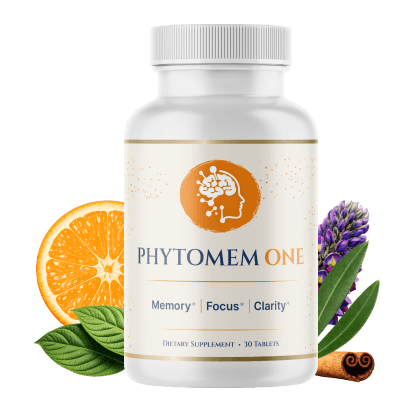
Can a daily brain-support supplement become a useful addition to your cognitive wellness routine? Phytomem One is a dietary supplement formulated with a blend of botanical extracts and other ingredients intended to support memory, mental clarity, and healthy brain function.
As interest in cognitive wellness grows, many people are looking for practical ways to support their ability to concentrate, remember everyday information, and maintain mental sharpness as they age. Diet, sleep, physical activity, stress management, and overall health all play important roles in this picture. Supplements are another option some people explore, but their ingredients, evidence, safety, and suitability deserve careful consideration.
In this Phytomem One review, we examine the product’s advertised formula, the roles its ingredients are intended to play, its potential advantages and limitations, how to approach supplement safety, and what to consider before making a purchase.
Rather than treating marketing claims as established medical facts, this review takes a closer look at what the manufacturer says and what consumers should know when evaluating a brain-health supplement.

What Is Phytomem One?
Phytomem One is a dietary supplement marketed for cognitive wellness, memory support, and mental clarity. According to its official product presentation, the formula combines 10 ingredients organized into three groups: a cellular defense matrix, a brain fuel and vitality complex, and a neural amplifier system.
The general idea behind this formulation is to approach brain wellness through several nutritional pathways rather than relying on a single ingredient.
The manufacturer emphasizes antioxidant support, metabolic health, and the body’s normal processes involved in supplying energy to cells. The product is also advertised as a stimulant-free, non-GMO formulation intended for daily use.
These characteristics may appeal to consumers who prefer a supplement based on botanical ingredients rather than a conventional stimulant-based product.
However, an important distinction needs to be made: the presence of ingredients that have been researched individually does not automatically establish that the finished Phytomem One formula improves memory or produces measurable cognitive benefits. The actual effects of a supplement depend on its ingredient amounts, formulation, bioavailability, quality, and supporting clinical evidence.
Phytomem One should therefore be considered a product to evaluate as part of a broader wellness approach, not a proven treatment for memory loss or a neurological disorder.
Why Are People Interested in Brain Health Supplements?
Memory and concentration affect many aspects of everyday life. Remembering appointments, following conversations, completing work, learning new information, and recalling names or details can all influence how confidently someone manages daily responsibilities.
It is also normal for attention and recall to fluctuate. Poor sleep, stress, distractions, fatigue, certain medications, and other health factors can affect how mentally sharp a person feels.
These experiences can lead people to investigate ways to support their cognitive wellness.
A balanced diet, regular exercise, adequate sleep, social interaction, and management of conditions such as high blood pressure and diabetes are important considerations for long-term brain health. Some people also explore nutritional supplements when they want to complement these habits.
The challenge is that the supplement market contains products with very different ingredient profiles and levels of scientific support. Attractive packaging and confident advertising are not substitutes for reliable evidence.
This is why understanding what a product contains and what is actually known about its ingredients is more useful than relying solely on claims about dramatic transformations.
How Does Phytomem One Claim to Work?
Phytomem One’s presentation describes a dual-defense approach that focuses on cellular antioxidant protection and metabolic support.
The first part concerns oxidative stress. Oxidative stress occurs when reactive molecules and the body’s antioxidant defenses become imbalanced. It is a subject of extensive scientific research, including research into normal aging and brain function.
The second part concerns cellular energy metabolism. Brain cells require a continuous supply of energy to perform their normal functions. Glucose metabolism is one important part of this process, although brain function depends on many interconnected biological systems.
The manufacturer presents its ingredients as a combination intended to support these processes.
That concept is biologically plausible at a general level, but the crucial question is whether the specific combination, in the amounts used in Phytomem One, produces meaningful benefits in people.
The available product presentation does not, by itself, establish that the complete formula has demonstrated clinical improvements in memory, concentration, or cognitive performance. Consumers should look for published human trials of the finished product, transparent ingredient quantities, and independent quality testing before drawing firm conclusions.
Phytomem One Ingredients: A Closer Look
The advertised formula contains 10 ingredients. Below, we examine their intended roles and the considerations that matter when assessing the product.
1. Saffron Extract
Saffron is derived from the stigmas of the Crocus sativus plant. It has a long history of use as a culinary ingredient and has also attracted scientific interest because it contains compounds with antioxidant properties.
Researchers have investigated saffron extracts in several areas of health, including mood and certain aspects of cognitive function. However, results from studies depend on the extract used, dosage, study population, duration, and outcome measured.
Evidence involving a particular standardized saffron extract cannot automatically be applied to every saffron-containing supplement.
Phytomem One lists saffron extract as part of its cellular defense matrix. The manufacturer associates it with antioxidant support and a healthy inflammatory response.
For consumers, the important questions include which extract is used, how much is present, whether its active compounds are standardized, and whether the finished product has been evaluated in controlled human studies.
Saffron should not be viewed as a guaranteed solution for forgetfulness or age-related cognitive changes.
2. Fucoxanthin
Fucoxanthin is a carotenoid found in certain brown seaweeds. Carotenoids are natural compounds that have attracted scientific interest for their biological properties.
The Phytomem One presentation identifies fucoxanthin as an ingredient derived from Japanese sea kelp and associates it with healthy neural communication and cognitive resilience.
Research on fucoxanthin has explored various biological and metabolic effects, but much of the evidence is preliminary or relates to experimental settings rather than demonstrating improvements in human memory.
It is therefore important not to assume that taking a supplement containing fucoxanthin will necessarily improve concentration, recall, or mental performance.
The quality of the source material, the amount included, and the evidence supporting its use in the finished formula all matter.
3. Fucoidan
Fucoidan refers to a group of complex sulfated polysaccharides found in certain brown seaweeds.
These compounds have been studied for several biological properties, including potential antioxidant and other effects. Much of the research remains exploratory, and the properties of fucoidan can vary depending on its source, structure, and extraction process.
Phytomem One includes fucoidan in its cellular defense matrix, with the stated purpose of supporting the body’s defenses against oxidative stress.
However, findings from laboratory studies should not be interpreted as proof that oral fucoidan supplementation protects human brain tissue or prevents cognitive decline.
Consumers should also consider the quality and purity of marine-derived ingredients, particularly because the composition of seaweed extracts can vary.
4. Oleuropein
Oleuropein is a naturally occurring compound found in olive leaves and other parts of the olive plant.
It has attracted research interest because of its antioxidant properties and potential relationships with metabolic health. Some research has examined olive-derived compounds in relation to markers of cardiovascular and metabolic function.
The Phytomem One presentation describes oleuropein as an ingredient intended to support normal blood sugar balance and provide antioxidant support.
These proposed roles should be interpreted carefully. The effects of oleuropein can depend on the preparation, dosage, and context in which it is used. Evidence about olive leaf extracts generally does not necessarily establish the effects of the particular ingredient in this supplement.
Anyone taking medication to manage blood sugar or blood pressure should consult a qualified healthcare professional before using a product containing ingredients intended to influence these processes.
5. Berberine HCl
Berberine is a plant-derived compound that has been studied extensively for certain metabolic effects. Berberine hydrochloride, often abbreviated as berberine HCl, is a commonly used supplemental form.
One area of research involves glucose metabolism and signaling pathways associated with cellular energy regulation, including AMPK.
Phytomem One places berberine HCl in its brain fuel and vitality complex. The manufacturer describes it as supporting glucose utilization and normal cellular energy processes.
Nevertheless, berberine is not simply a general-purpose energy booster. Research findings vary, and evidence about metabolic outcomes does not establish that a berberine-containing supplement improves memory or prevents cognitive impairment.
Berberine may also interact with medications and can cause gastrointestinal side effects. People taking prescription medicines, particularly those affecting blood sugar, blood pressure, or other metabolic processes, should seek professional advice before using it.
Pregnant or breastfeeding individuals should not use berberine without appropriate medical guidance.
The presence of berberine is therefore a reason to assess the product’s safety and suitability carefully, rather than assuming that a botanical ingredient is automatically harmless.
6. Ceylon Cinnamon Bark
Ceylon cinnamon, known botanically as Cinnamomum verum, is a spice derived from the bark of a cinnamon tree.
Cinnamon has been studied for possible effects on metabolic health, including glucose regulation. Results across studies are not uniform, and the effects may depend on the form, amount, and duration of use.
The Phytomem One formula includes Ceylon cinnamon as part of its brain fuel and vitality complex, with the stated intention of supporting healthy insulin sensitivity and normal glucose balance.
These proposed metabolic benefits should not be confused with established improvements in memory or concentration.
Ceylon cinnamon is also distinct from cassia cinnamon, which has a different chemical composition. However, identifying a botanical source alone does not establish the precise composition or effectiveness of the ingredient in a supplement.
People using medicines for diabetes or other metabolic conditions should discuss relevant supplements with their healthcare professional before taking them.
7. Corosolic Acid from Banaba Leaf
Corosolic acid is a compound associated with the leaves of the banaba plant, Lagerstroemia speciosa.
Banaba extracts have been investigated for possible effects on glucose metabolism. Some findings are preliminary, and further high-quality research is needed to establish the extent and practical significance of these effects in people.
Phytomem One includes corosolic acid in its brain fuel and vitality complex. The product presentation associates it with glucose transport and the delivery of energy to cells.
The underlying idea is that healthy metabolic function is important for the body’s tissues, including the brain. However, this does not demonstrate that corosolic acid improves human memory when consumed as part of this particular formula.
Ingredient quantities, extract standardization, and clinical evidence remain important considerations.
Because banaba-derived ingredients may influence blood sugar, people using glucose-lowering medications should consult a healthcare professional before taking a supplement containing them.
8. Kudzu Flower Extract
Kudzu is a plant whose flowers and other parts contain naturally occurring compounds, including isoflavones.
These compounds have been studied for several biological effects, although the evidence varies by compound, plant part, and intended use.
The Phytomem One presentation identifies kudzu flower extract as a source of isoflavones and associates it with cellular glucose uptake and mental vitality.
These are manufacturer-described purposes rather than established clinical outcomes for the finished supplement.
It is particularly important to distinguish between findings involving kudzu root and findings involving kudzu flowers. Different plant parts may contain different concentrations and combinations of compounds, so evidence from one preparation may not apply to another.
People with hormone-sensitive medical conditions or those taking prescription medication should ask their healthcare professional whether kudzu-derived supplements are appropriate for them.
9. Morosil: Sicilian Red Orange Extract
Morosil is a branded extract derived from Moro red oranges grown in Sicily.
Moro oranges contain naturally occurring plant compounds, including anthocyanins and other polyphenols. Research on red orange extracts has examined several areas of metabolic health, although the amount and quality of evidence differ across outcomes.
Phytomem One includes Morosil in its neural amplifier system and describes it as an ingredient intended to support metabolic function and antioxidant defenses.
The presence of a branded extract may help identify the type of ingredient used, but it does not by itself demonstrate that the finished formula improves cognitive performance.
Consumers should also be cautious about assuming that research on body weight, metabolism, or antioxidant markers establishes benefits for memory.
The most relevant evidence would be research examining the exact formulation and its effects on clearly defined cognitive outcomes.
10. Xylitol
Xylitol is a sugar alcohol used in a variety of foods, oral-care products, and other formulations. It is known primarily for its sweetening properties.
The Phytomem One presentation describes xylitol as a source of clean cognitive fuel that supports steady focus and balanced brain metabolism.
That description requires careful interpretation. Xylitol is not established as a cognitive enhancer, and its inclusion does not prove that the product supplies the brain with a superior form of energy.
Xylitol is generally tolerated by many people in ordinary dietary quantities, but larger amounts can cause digestive discomfort, including gas and diarrhea.
Consumers with digestive sensitivities should check the product label for the amount present and consider their individual tolerance.
Xylitol is also highly toxic to dogs, so products containing it must be stored securely away from pets.
What Are the Potential Benefits of Phytomem One?
Phytomem One is marketed around several areas of cognitive wellness. Whether an individual experiences any benefit remains uncertain, and the finished product’s clinical effectiveness has not been established by the marketing page alone.
Support for Everyday Cognitive Wellness
The supplement is intended for people interested in maintaining healthy cognitive function as part of their overall wellness routine.
Its combination of botanical extracts is presented as a way to support processes involved in normal cellular function.
However, supporting normal biological processes is not the same as demonstrating improved performance on memory tests. Consumers should avoid assuming that the product will produce noticeable changes simply because its ingredients have been researched individually.
Antioxidant Support
Several ingredients in the advertised formula have been studied for antioxidant properties.
Antioxidants are involved in the body’s defenses against oxidative stress, which is a normal area of biological research.
The practical question is whether the amounts and forms included in Phytomem One produce meaningful effects in humans. The presence of antioxidants alone does not establish that a supplement protects against dementia, reverses brain aging, or prevents neurological disease.
Interest in Metabolic Health
The formula contains several ingredients that have been investigated for their potential relationships with glucose regulation and other aspects of metabolism.
Healthy metabolic function is relevant to general health, but it is important to understand that this does not make Phytomem One a treatment for diabetes or a substitute for prescribed medication.
People with metabolic conditions should prioritize evidence-based medical care and obtain professional advice before adding supplements that may influence blood sugar.
A Convenient Daily Routine
The product presentation describes Phytomem One as a daily supplement, with a simple usage routine.
For people who prefer a single product rather than several separate supplements, an all-in-one formula may appear convenient.
Convenience, however, should not be the only consideration. Consumers should still assess ingredient amounts, potential interactions, manufacturing standards, and the evidence supporting the formula.
A Formula Without Added Stimulant Claims
The manufacturer describes the formula as stimulant-free.
This may appeal to people who prefer not to use conventional stimulant-based products for alertness. Nevertheless, stimulant-free does not mean that a product is appropriate for everyone or incapable of causing side effects.
Botanical ingredients and compounds that affect metabolism can still have meaningful physiological effects.
Can Phytomem One Improve Memory and Mental Clarity?
This is one of the most important questions to ask before purchasing the supplement.
Phytomem One is marketed for memory support, mental clarity, and cognitive wellness. The product presentation also refers to customer reports of changes in areas such as word recall and morning sharpness.
Testimonials and manufacturer statements can help explain how a product is marketed, but they are not a substitute for well-designed clinical trials.
People may notice changes in concentration or recall for many reasons, including improved sleep, reduced stress, changes in medication, and normal day-to-day variation.
To establish whether Phytomem One itself improves memory, researchers would ideally conduct controlled human studies using the finished product, an appropriate comparison group, predefined cognitive tests, and a sufficient follow-up period.
The findings should be published transparently, with the participant numbers, ingredient formulation, results, limitations, and funding disclosed.
Without adequate evidence of this kind, it is not possible to predict whether an individual will experience a noticeable cognitive benefit from the supplement.
Anyone experiencing persistent or worsening memory problems should seek medical evaluation rather than relying on a supplement. Memory changes can sometimes be associated with treatable issues, medication effects, sleep disorders, mood changes, or other medical conditions.
How Long Does Phytomem One Take to Work?
The manufacturer’s presentation states that some users report changes within a few weeks. Such reports should not be interpreted as a reliable prediction of when, or whether, a particular person will notice an effect.
There is no established, independently verified timeline for cognitive benefits from the finished Phytomem One formula based on the product presentation alone.
The time required to experience a change, if one occurs, may depend on individual health, diet, sleep, medications, the underlying reason for the concern, and other factors.
It is also possible that a person will not notice any meaningful difference.
Avoid increasing the recommended amount in an attempt to accelerate results. More of a supplement does not necessarily produce greater benefits and may increase the risk of adverse effects.
If you are considering Phytomem One, assess it realistically and discuss any ongoing cognitive concerns with a qualified healthcare professional.
How Is Phytomem One Supposed to Be Taken?
The manufacturer’s presentation recommends one capsule daily with food.
Before using the product, check the current label supplied with your order. The packaging should be treated as the primary reference for directions, serving size, storage, warnings, and other product-specific information.
Do not exceed the labeled serving.
If you take prescription medication, have a medical condition, or use other supplements, consult a qualified healthcare professional before starting the product. This is particularly relevant because the advertised formula includes berberine, cinnamon, and banaba-derived ingredients that may affect metabolic processes.
If you experience an unexpected reaction after taking a supplement, stop using it and seek appropriate medical advice.
Is Phytomem One Safe?
Safety is an essential consideration with any dietary supplement, particularly one containing multiple active ingredients.
The manufacturer describes Phytomem One as a natural, non-GMO, stimulant-free formula. These descriptions do not independently establish its safety for every person.
Natural ingredients can still cause side effects, interact with medication, or be unsuitable for certain medical conditions.
Several ingredients in this formula warrant particular attention.
Berberine: May cause digestive side effects and interact with various medicines. It is not appropriate for everyone, including people who are pregnant or breastfeeding.
Cinnamon and banaba-derived ingredients: May affect blood glucose regulation, making professional advice important for people using diabetes medication or other treatments that affect blood sugar.
Kudzu-derived ingredients: May not be appropriate for some people, particularly those with certain hormone-sensitive conditions or medication considerations.
Marine-derived extracts: Consumers with relevant allergies or sensitivities should check the source material and full label.
Xylitol: May cause digestive discomfort in some people, especially at higher intakes.
These considerations do not establish that the finished product is unsafe. They do mean that suitability should be assessed individually rather than inferred from the word “natural.”
Before purchasing, look for a complete Supplement Facts panel, clearly stated quantities for each ingredient, appropriate manufacturer contact information, and evidence of quality-control testing.
If you are pregnant, breastfeeding, taking prescription medication, or managing a medical condition, obtain advice from your healthcare professional before using the supplement.
Keep all supplements out of reach of children and pets.
Phytomem One Pros and Cons
Potential Advantages
Multiple ingredients in one formulation
The product combines several botanical extracts and other compounds, which may appeal to consumers interested in a multi-ingredient supplement.
Focus on general wellness pathways
The advertised formula emphasizes antioxidant and metabolic processes that are relevant areas of scientific research.
Simple daily format
The manufacturer describes a straightforward daily capsule routine, which may be convenient for people who prefer a consistent supplement schedule.
Additional educational materials
The product presentation advertises three accompanying digital guides: The Memory Shield Diet, The 5-Minute Brain Reboot, and The Caregiver’s Survival Guide. These are presented as educational bonuses rather than clinical treatments.
A stated refund policy
The sales page advertises a 60-day money-back guarantee. Buyers should review the current written terms, including any requirements, deadlines, and return instructions, before ordering.
Potential Disadvantages
Limited evidence for the finished formula
Research on individual ingredients does not establish that the complete Phytomem One formula improves memory or concentration. Strong product-specific clinical evidence would make its claims easier to evaluate.
Ingredient quantities matter
A list of ingredients does not reveal whether each is present in an amount consistent with the research being cited. Consumers should examine the full label and serving details.
Potential interactions
Some ingredients may influence blood sugar or interact with medication. People with relevant medical conditions need professional advice before use.
Results cannot be guaranteed
There is no basis for promising that every user will experience improved recall, sharper concentration, or noticeable changes within a specific period.
Supplement quality needs verification
Claims about ingredient purity and manufacturing standards should ideally be supported by accessible documentation or independent testing.
It is not a substitute for medical evaluation
Persistent memory problems should not be dismissed or managed exclusively through supplements.
Who Might Consider Phytomem One?
Phytomem One may be of interest to adults researching nutritional supplements for general cognitive wellness who want to learn more about multi-ingredient botanical formulas.
It may also attract people who prefer a daily capsule format and want to compare different products before deciding whether to purchase one.
However, interest in the product should not be confused with evidence that it is necessary or effective for a particular individual.
People who have no specific nutritional need may not benefit from adding another supplement to their routine. In many cases, the more useful starting point is to review sleep, exercise, diet, stress, alcohol consumption, and any medications or health conditions that may affect cognitive performance.
Anyone considering Phytomem One should first assess its ingredients, the available evidence, the suitability of its formula, and the cost relative to their personal wellness priorities.
Who Should Be Especially Cautious?
Certain consumers should seek medical advice before considering Phytomem One.
These include people who:
- Take medication for diabetes or blood sugar management.
- Take prescription medication that may interact with botanical supplements.
- Have a chronic medical condition or a history of significant medication reactions.
- Are pregnant or breastfeeding.
- Have relevant food, plant, or marine-source allergies.
- Are experiencing new, persistent, or worsening memory problems.
- Are considering using supplements instead of prescribed treatment.
People should not stop or change prescribed medication because a supplement is advertised for brain health.
For anyone experiencing sudden confusion, abrupt memory loss, difficulty speaking, facial drooping, or sudden weakness, urgent medical attention is necessary.
Phytomem One vs. Lifestyle-Based Brain Health
A supplement is only one possible component of a broader approach to wellness. Several established habits are important for general health and may also support cognitive function.
Prioritize Consistent Sleep
Sleep affects attention, learning, and memory. A regular sleep schedule and sufficient sleep can help support normal daytime functioning.
Persistent insomnia, loud snoring, or excessive daytime sleepiness may warrant medical assessment.
Eat a Balanced Diet
A varied diet that includes vegetables, fruits, legumes, whole grains, nuts, and appropriate protein sources can provide a broad range of essential nutrients.
Rather than focusing on a single supposed brain-boosting ingredient, consider the overall quality and consistency of your eating habits.
Exercise Regularly
Physical activity supports cardiovascular and metabolic health. Regular movement can also contribute to better sleep and overall well-being.
Choose activities that are appropriate for your health and fitness level.
Manage Blood Pressure and Blood Sugar
Cardiovascular and metabolic health are important considerations for long-term brain health. If you have high blood pressure, diabetes, or another chronic condition, follow the care plan established with your healthcare professional.
A supplement should never replace prescribed medication or appropriate monitoring.
Stay Mentally and Socially Engaged
Learning new skills, reading, participating in meaningful activities, and maintaining social connections can contribute to an active and fulfilling lifestyle.
There is no need to rely on one product as the foundation of cognitive wellness.
What About the Bonuses Included With Phytomem One?
The official presentation advertises three digital resources alongside the supplement.
Bonus 1: The Memory Shield Diet
This guide is presented as an introduction to nutritional choices intended to support brain wellness.
Educational material about diet can be useful when it encourages balanced eating, realistic expectations, and sustainable habits. The quality of the advice matters, so readers should evaluate its recommendations against established nutritional guidance.
Bonus 2: The 5-Minute Brain Reboot
This resource is described as a short morning routine intended to encourage alertness and focus.
A simple morning routine may help some people organize their day, particularly when it includes consistent waking times, movement, and a manageable plan for the day ahead.
However, the title alone does not establish that the routine improves memory or produces a particular neurological effect.
Bonus 3: The Caregiver’s Survival Guide
This guide is presented as a resource for family members who support others with cognitive wellness needs.
Caregiving can be demanding, and educational resources may help people think about routines, communication, and personal well-being.
However, a digital guide should not replace professional advice, individualized care planning, or appropriate support for someone experiencing cognitive impairment.
The seller describes these materials as included bonuses. Buyers should confirm the current package details and delivery arrangements when ordering.
Is Phytomem One Worth Considering?
Whether Phytomem One is worth considering depends on what you expect from it and how comfortable you are with the available evidence.
If you are researching a supplement that combines several botanical extracts associated with antioxidant and metabolic research, the formula may be worth examining in greater detail.
However, a long ingredient list is not proof of effectiveness. Neither is a scientific-sounding explanation of how those ingredients might interact with the body.
Before deciding, consider the following questions:
- Are the quantities of all 10 ingredients disclosed?
- Are the extracts standardized, and is their quality documented?
- Is there a published clinical trial on the complete Phytomem One formula?
- Are the claimed benefits supported by human evidence rather than laboratory findings alone?
- Is the product appropriate given your health conditions and current medication?
- Are the seller’s refund terms clear and practical?
- Is the supplement affordable relative to other priorities in your wellness routine?
If these questions cannot be answered satisfactorily, it is reasonable to postpone the purchase while gathering more information.
A careful buying decision is more valuable than expecting a supplement to deliver results that have not been reliably demonstrated.
Phytomem One Review: Frequently Asked Questions
What is Phytomem One used for?
Phytomem One is marketed as a dietary supplement for cognitive wellness, memory support, and mental clarity. Its advertised formula combines botanical extracts and other ingredients intended to support antioxidant and metabolic processes.
It has not been established by the sales page alone as a treatment for memory loss, dementia, Alzheimer’s disease, or another neurological condition.
What ingredients does Phytomem One contain?
The product presentation lists saffron extract, fucoxanthin, fucoidan, oleuropein, berberine HCl, Ceylon cinnamon bark, corosolic acid from banaba leaf, kudzu flower extract, Morosil red orange extract, and xylitol.
Consumers should consult the current product label to verify the full formulation, ingredient quantities, and serving details.
Does Phytomem One improve memory?
The product is marketed for memory support, but the available marketing information does not establish that the finished formula produces clinically meaningful improvements in memory.
Research on individual ingredients cannot automatically be used as proof of effectiveness for the complete supplement.
How quickly can I expect results?
The manufacturer reports that some users notice changes within a few weeks, but testimonials do not establish a reliable timeline.
There is no independently established timeframe for cognitive benefits from the finished formula. Individual experiences may differ, and some people may notice no benefit.
How should Phytomem One be taken?
The manufacturer’s presentation recommends one capsule daily with food. Follow the directions on the current packaging and do not exceed the labeled serving.
Ask a healthcare professional about suitability if you take medication or have an existing medical condition.
Is Phytomem One stimulant-free?
The manufacturer describes the formula as stimulant-free. Consumers should still review the full ingredient label and should not assume that the product is suitable for everyone simply because it is marketed this way.
Is Phytomem One suitable for older adults?
Age alone does not establish whether a supplement is appropriate. Older adults may take multiple medications or have health conditions that increase the importance of checking for interactions.
Anyone considering the product should review its ingredients with a healthcare professional, particularly if they take medication for blood sugar or other chronic conditions.
Can Phytomem One treat dementia or Alzheimer’s disease?
Phytomem One should not be regarded as a treatment or cure for dementia, Alzheimer’s disease, or other neurological disorders. The product’s marketing claims do not establish that it can prevent or reverse these conditions.
Anyone concerned about cognitive decline should seek an appropriate medical assessment.
Are there any side effects?
The potential side effects depend on the ingredients, amounts, individual sensitivity, and interactions with medication.
Berberine can cause digestive symptoms and interact with medicines. Xylitol can cause gastrointestinal discomfort, while ingredients that influence glucose metabolism may require additional caution for people taking diabetes medication.
Check the label and consult a healthcare professional before use if you have any relevant concerns.
Does Phytomem One come with a money-back guarantee?
The manufacturer’s presentation advertises a 60-day money-back guarantee.
Before ordering, review the current written refund policy to understand how to request a refund, which deadlines apply, and whether any additional conditions must be met. Do not assume that every circumstance is automatically covered.
Are there educational bonuses?
The product presentation advertises three digital resources: The Memory Shield Diet, The 5-Minute Brain Reboot, and The Caregiver’s Survival Guide.
Confirm the current package details and delivery arrangements on the seller’s purchase page.
Is Phytomem One a replacement for a healthy lifestyle?
No. A supplement should not replace balanced nutrition, adequate sleep, physical activity, appropriate medical care, or treatment for an underlying condition.
For long-term wellness, it is generally more sensible to evaluate a supplement as one possible addition to a broader health routine.
Where can I learn more about Phytomem One?
You can review the manufacturer’s product presentation to examine the advertised ingredients, usage directions, package details, refund policy, and other terms.
Before making a decision, compare the marketing claims with the evidence available and discuss any medical concerns with a qualified healthcare professional.
Final Verdict: Should You Consider Phytomem One?
Phytomem One is a multi-ingredient supplement marketed for memory support, mental clarity, and cognitive wellness. Its advertised formula includes several botanical extracts that have attracted scientific interest for antioxidant or metabolic properties.
That makes the ingredients worth examining, but it does not establish that the complete supplement improves memory, prevents cognitive decline, or delivers predictable results.
The most important considerations are ingredient transparency, the quality of the evidence, potential interactions, manufacturing standards, and whether the product is appropriate for your individual circumstances.
If you are interested in learning more, review the manufacturer’s information carefully, verify the current label and purchase terms, and seek professional advice if you take medication or have a medical condition.
Ultimately, the most informed decision is one based on realistic expectations and reliable evidence rather than promises of rapid or dramatic cognitive improvement.
Interested in examining the product details for yourself?
Review the official Phytomem One presentation to see the manufacturer’s current ingredient information, usage directions, package contents, and guarantee terms before deciding whether the supplement fits your needs.
Editorial note: This review is intended for informational purposes and is not medical advice. Dietary supplements are not substitutes for professional medical assessment or treatment. Statements about dietary supplements should not be interpreted as claims that they diagnose, treat, cure, or prevent disease.
Affiliate disclosure: Blimero may receive a commission if you purchase a product through an affiliate link in this article. This does not increase your purchase price through our commission arrangement. Our goal is to provide readers with useful information to help them evaluate products and make informed decisions.